
Blog
How to Stock Your Kitchen for a Private or Personal Chef

When you hire a private or personal chef, the experience goes far beyond a single meal. In most cases, your chef is preparing several days’ worth of food in one visit, using your kitchen as the workspace for planning, prepping, cooking, portioning, and storage. Knowing how to stock your kitchen for a private or personal chef helps ensure that the process is efficient, safe, and stress-free for everyone involved.
This guide walks through the essential equipment, tools, and supplies that support weekly personal chef meal prep. Rather than focusing on specialty gadgets, it highlights the practical items that allow your chef to cook efficiently, manage multiple dishes at once, and leave you with meals that store and reheat well. With the right setup, your kitchen becomes a space where professional-quality cooking can happen smoothly.
Why Your Kitchen Setup Matters for a Personal Chef
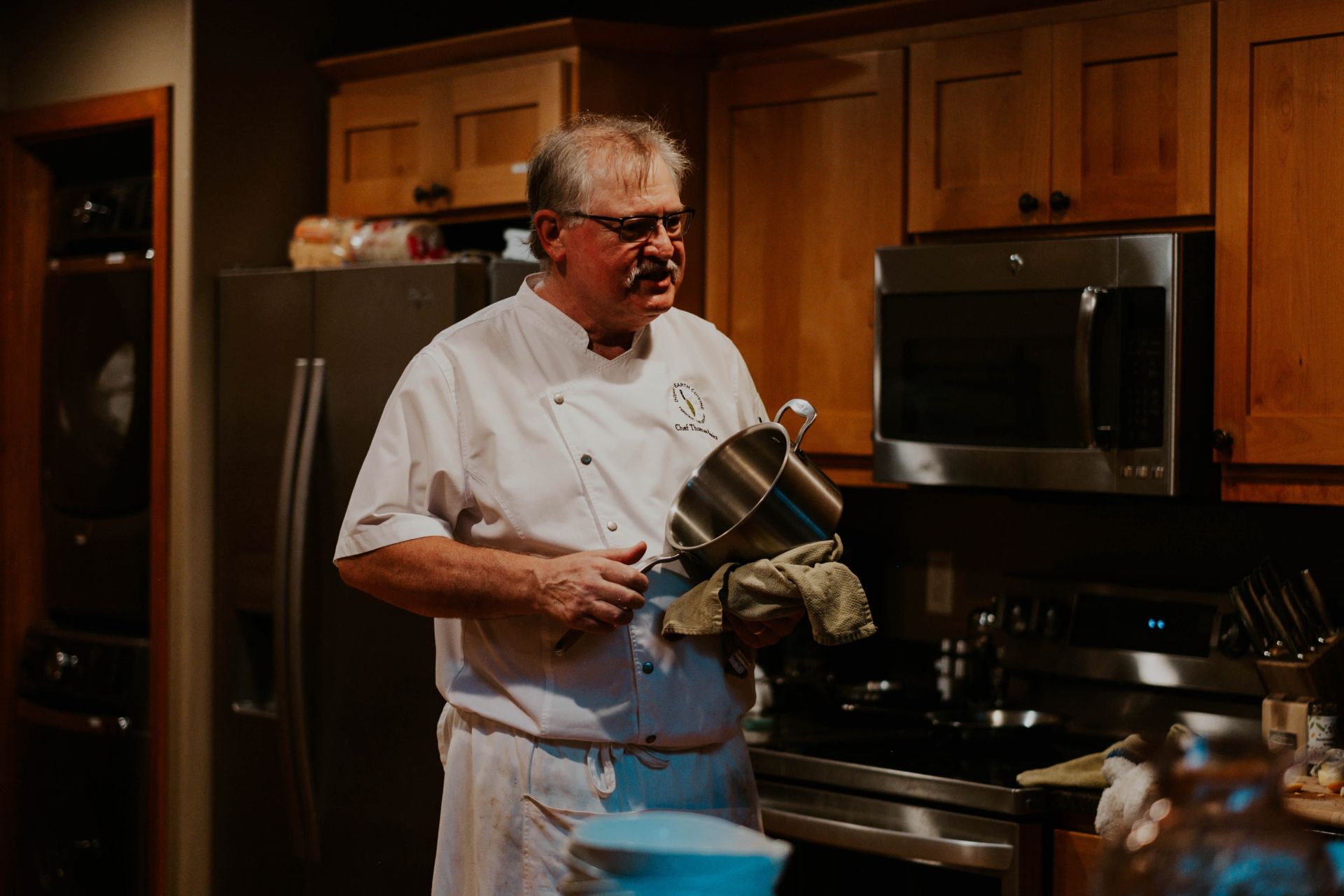
Unlike a restaurant or catering kitchen, a private or personal chef prepares your meals inside your home with your equipment. While some chefs may bring a few personal items, most rely on your cookware, appliances, and basic supplies to complete a full meal prep session.
Because weekly meal prep often involves cooking several dishes back-to-back, your kitchen setup directly affects how smoothly that process runs. Missing or inadequate equipment can slow down prep, limit menu options, or force unnecessary workarounds. A well-stocked kitchen allows your personal chef to focus on what matters most: preparing thoughtful, high-quality meals that fit your lifestyle.
The Absolute Essentials Your Personal Chef Needs
Even the most experienced personal chef can only do so much without the right basics in place. If the essentials are missing, your chef may not be able to prepare meals safely, efficiently, or as intended. These items form the foundation of a functional kitchen and allow your personal chef to focus on cooking, not troubleshooting. Before we begin working with new clients, we share a general list of kitchen items we recommend having on hand. These are the tools our personal chefs use most often when cooking in home kitchens, based on what allows them to work safely, efficiently, and without unnecessary limitations.
The items listed below are suggestions, not requirements. They are meant to help you understand what your chef will be using and why. Where helpful, we link to specific examples in our Amazon Wish List so you can see the type or size we’re referring to, but you do not need to purchase those exact products. If you already own similar items in good condition, they are often perfectly suitable.
Heat Source
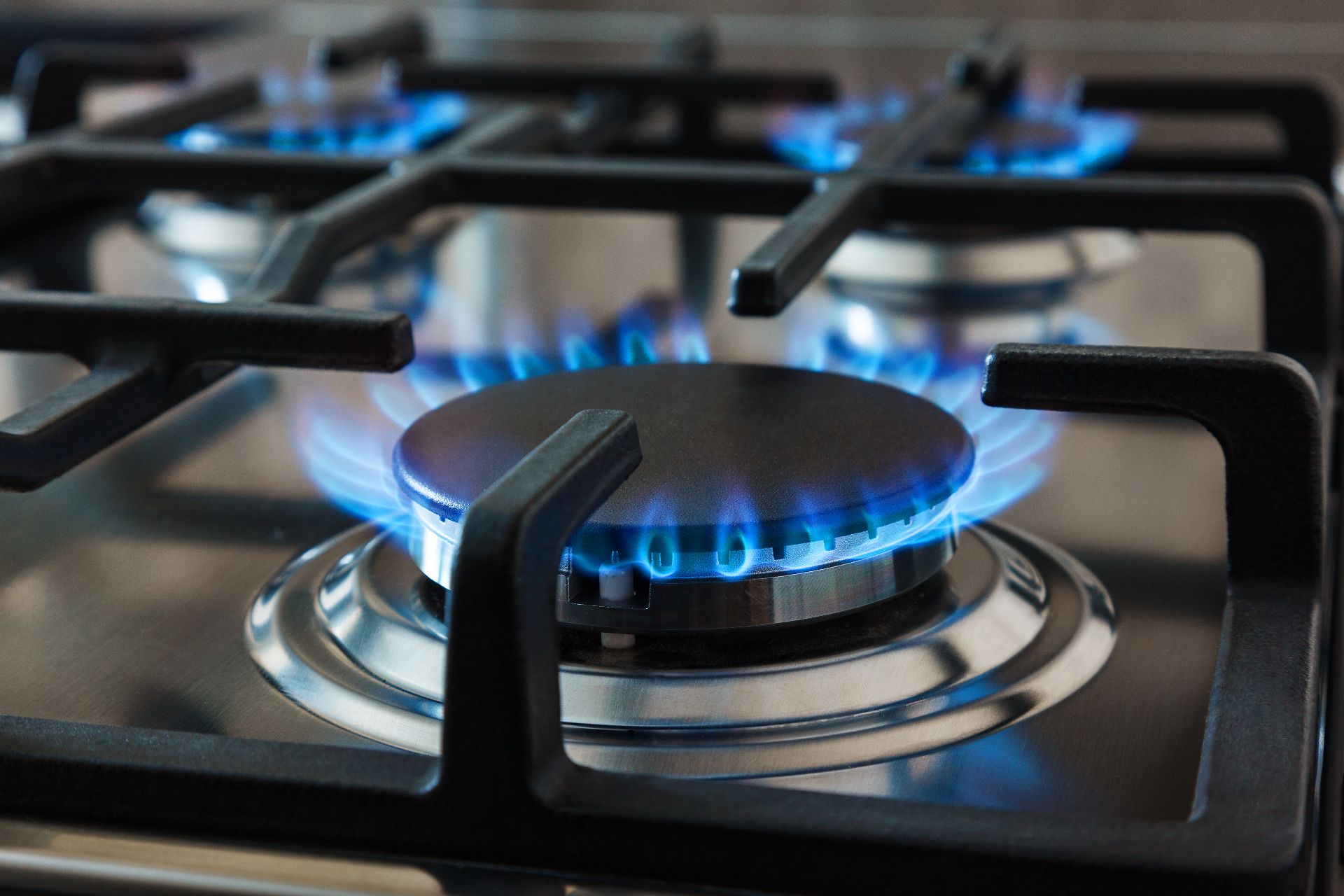
Your personal chef relies on a functioning stovetop and oven to prepare meals properly. At a minimum, at least one burner or cooking surface needs to heat consistently, and the oven should be able to maintain a steady temperature for roasting and baking. Most kitchens easily meet this standard, but if a burner or oven is unreliable, it can limit what can be cooked safely and efficiently. In smaller kitchens or during batch cooking, additional heat sources can be helpful for managing timing and keeping multiple components moving at once.
Frying Pans
Frying pans are used for everyday cooking tasks like searing proteins, sautéing vegetables, and cooking eggs. Having both a smaller and a larger pan allows your personal chef to cook efficiently and handle multiple components at once.
- AVACRAFT, 8″, Stainless Steel Frying Pan, with lid
- All-Clad D3, 12″, Stainless Steel Frying Pan, with lid
Saucepan
A saucepan is essential for small-batch cooking tasks, like cooking sauces and grains or reheatings. It’s one of the most frequently used pieces of cookware in any kitchen.
Stockpot
Larger batch cooking, like making soups, stocks, and broths, requires a stockpot, soups, broths, and larger batch cooking. It gives your personal chef the space needed to cook efficiently without overcrowding cookware.
Chef’s Knife
A chef’s knife is the primary tool for most prep work. While many chefs bring their own knives, having a reliable chef’s knife in your kitchen is still important as a backup.
Cutting Board
A cutting board provides a stable surface for safe and efficient prep while protecting your countertops and a large board makes prep faster and more comfortable for your personal chef.
Spatula and Tongs
Spatulas and tongs are essential for flipping, stirring, and safely handling hot food while it cooks. These tools support smooth, controlled cooking across many dishes.
Cooking Oil
Cooking oil is required for most heat-based cooking, including sautéing and pan-searing. A neutral, high-quality oil allows your personal chef to cook without substitutions
Towels and Sponges
Kitchen towels and sponges are essential for safe handling, maintaining cleanliness, and performing basic cleanup tasks during cooking.
Beyond the Basics
Beyond the core essentials, additional cooking equipment and appliances help personal chefs work more efficiently during longer meal prep sessions. These tools allow multiple dishes to be prepared at once and support a wider range of cooking methods.
Cooking Equipment and Appliances
Induction Cooktop
An induction cooktop provides an extra heat source that’s especially useful when preparing multiple dishes simultaneously. It helps free up stove burners and offers precise temperature control.
Electric Pressure Cooker
Electric pressure cookers are useful for grains, soups, braises, and batch cooking. They save time during weekly meal prep while delivering consistent results.
Air Fryers
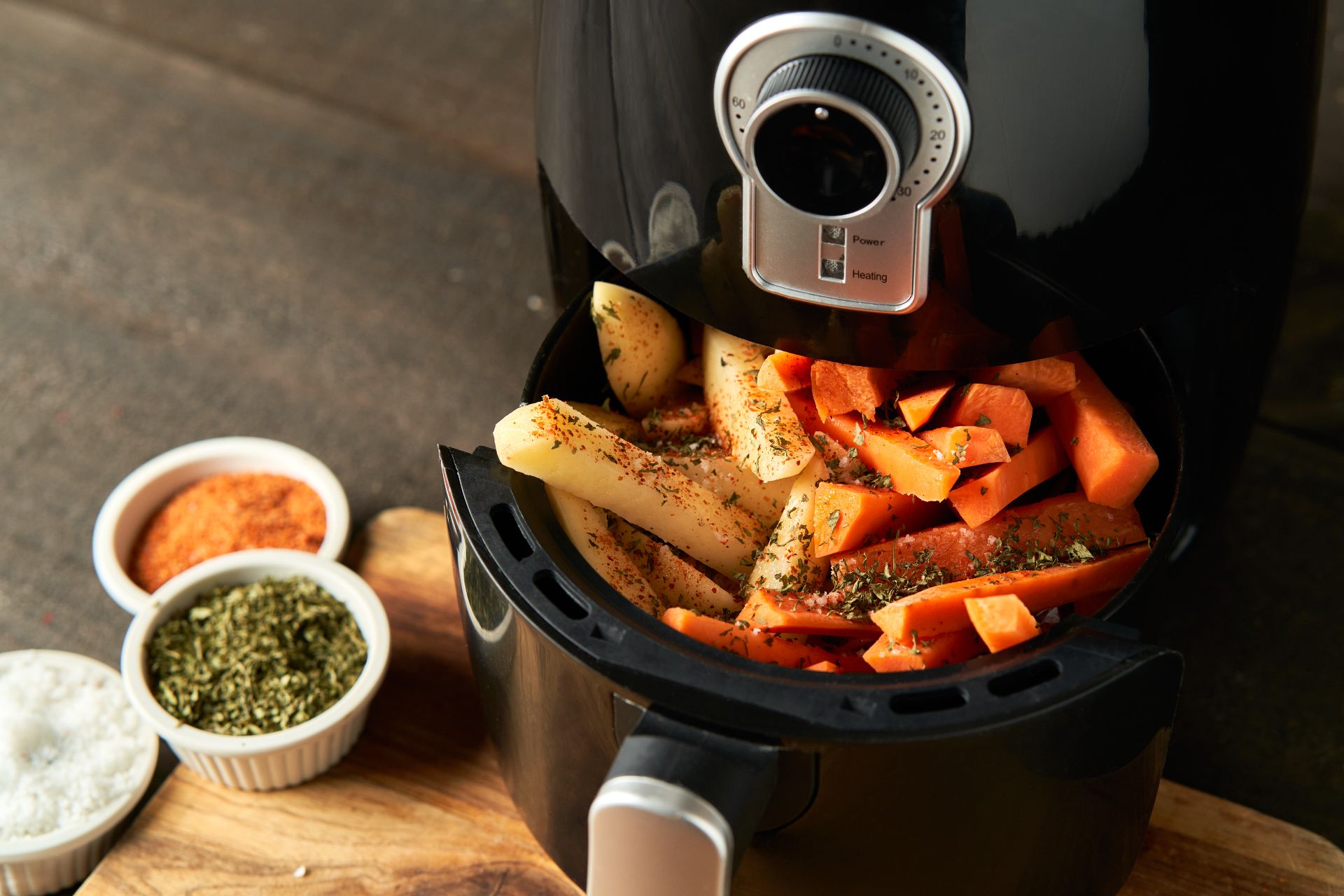
Air fryers are useful for roasting vegetables, cooking proteins, and reheating items quickly during meal prep. They provide even cooking with minimal oil and help free up oven space when multiple dishes are being prepared.
Blenders
Blenders are commonly used for sauces, dressings, soups, and purées that store well throughout the week. Having at least one functional blender supports smooth, consistent textures.
- Ninja Nutri-Blender Plus Personal Blender
- NutriBullet, 600W, Personal Blender
- Vitamix Explorian, 64-oz, High-Power Countertop Blender
- KOIOS handheld, 1000W, Immersion Blender
- Magic Bullet compatible, 16-oz, Juicer Replacement Cup
Cookware and Bakeware
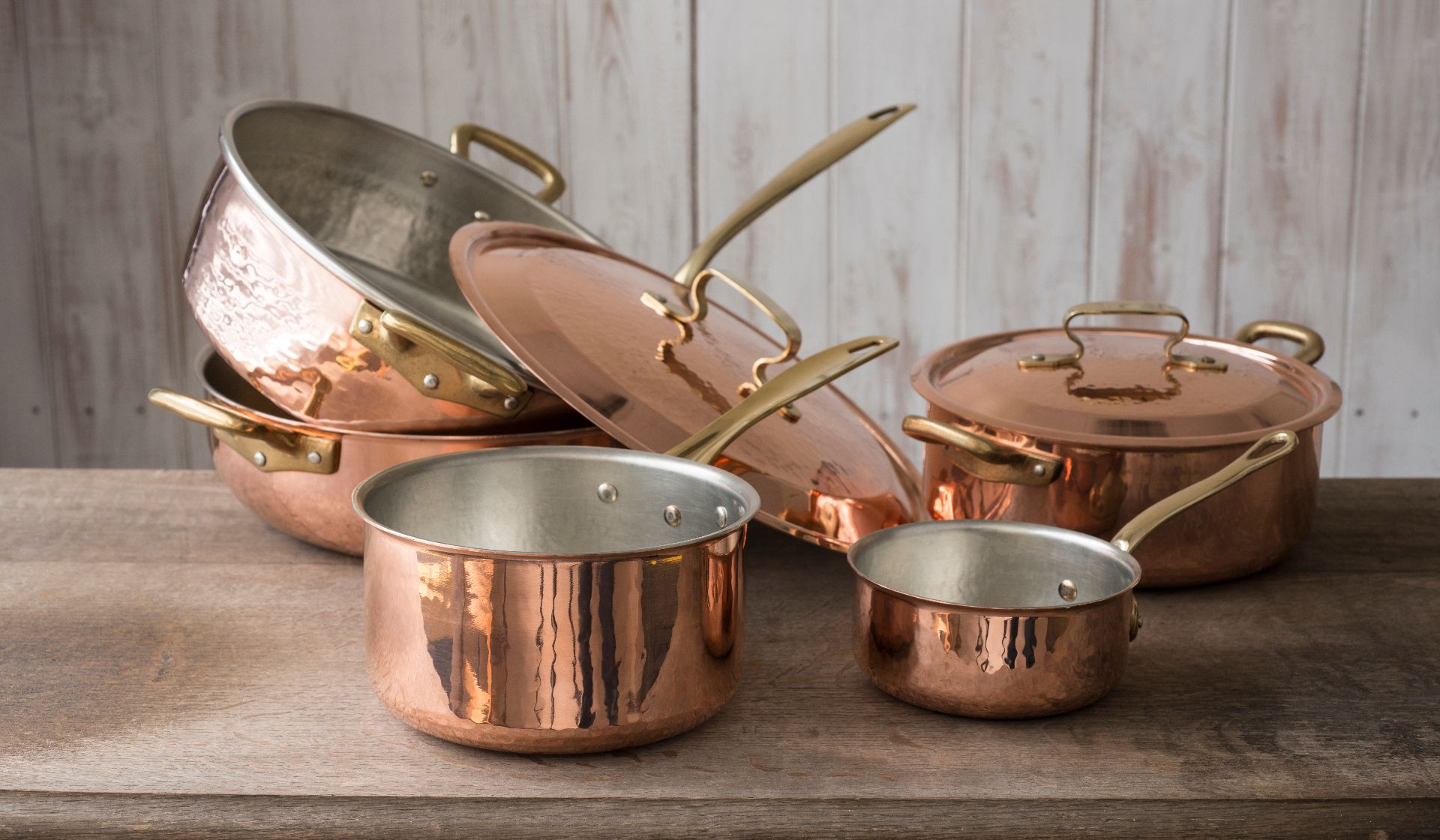
Weekly meal prep often involves cooking multiple components back-to-back, sometimes using several pans at the same time. In addition to the basic cookware listed above, having a few extra pieces can make longer prep sessions run more smoothly. The cookware and bakeware in this section support efficiency, reduce bottlenecks, and give your personal chef more flexibility when preparing multiple dishes at once.
Frying & Sauté Pans
In addition to the basic frying pan recommended earlier, having multiple frying and sauté pans in different sizes gives your personal chef more flexibility during longer prep sessions. These pans are used for browning, simmering, sautéing, and reducing, and extra sizes make it easier to cook several components at the same time without slowing the process.
- T-fal Thermo-Spot, 8″, Nonstick Fry Pan
- LOLYKITCH, 3-qt / 10″, Stainless Steel Sauté Pan, with lid
- All-Clad D3, 3-qt, Stainless Steel Sauté Pan, with lid
- Cuisinart, 5.5-qt, Stainless Steel Sauté Pan, with lid and helper handle
- Inqibee, 8-qt / 13″, Stainless Steel Sauté Pan, with lid
Sauce & Stock Pots
While a small saucepan covers many day-to-day needs, additional sauce and stock pots can be helpful during weekly meal prep. These larger pots allow your personal chef to boil, simmer, and batch-cook soups, grains, sauces, and other components that hold well throughout the week, without crowding smaller cookware.
- All-Clad D3, 3-qt, Stainless Steel Saucepan, with lid
- Cuisinart MCP193-18N, 3-qt, Stainless Steel Skillet / Saucepan, with lid
Baking & Ovenware
Ovenware supports roasting proteins, baking vegetables, and finishing meals in larger batches for the week. Sheet pans and baking dishes are especially useful because they facilitate baking and reduce hands-on cooking time over the stove.
- Pyrex Easy Grab, 2-qt, Glass Baking Dish, with lid
- Pyrex, 9.13, Glass Baking Dish, with lid
- Pyrex, Extra-Large Glass Baking Dish Set, 2-pack, with lids and handles
- TeamFar, 16″ x 12″, Stainless Steel Sheet Pan
- TeamFar, 16″, Stainless Steel Sheet Pan Set, set of 2
- TeamFar, 17.6″, Stainless Steel Sheet Pan Set, set of 2
- TeamFar, 20″ x 14″, Stainless Steel Sheet Pan Set, set of 2
- Baker Boutique, Quarter-Sheet Silicone Baking Mat Set, 3-piece
- CAKETIME, 12-cup, Silicone Muffin Pan
- Saphe, Silicone Muffin Pan Set, 2 trays, 12 cups total
- KITCHENATICS, Half-Sheet Cooling Rack
Serving
Even with weekly meal prep, serving pieces matter for family-style meals, hosting, and clean plating when food is served the same day. A stable surface and basic platters also make portioning and staging easier during prep.
Prep Tools and Utensils
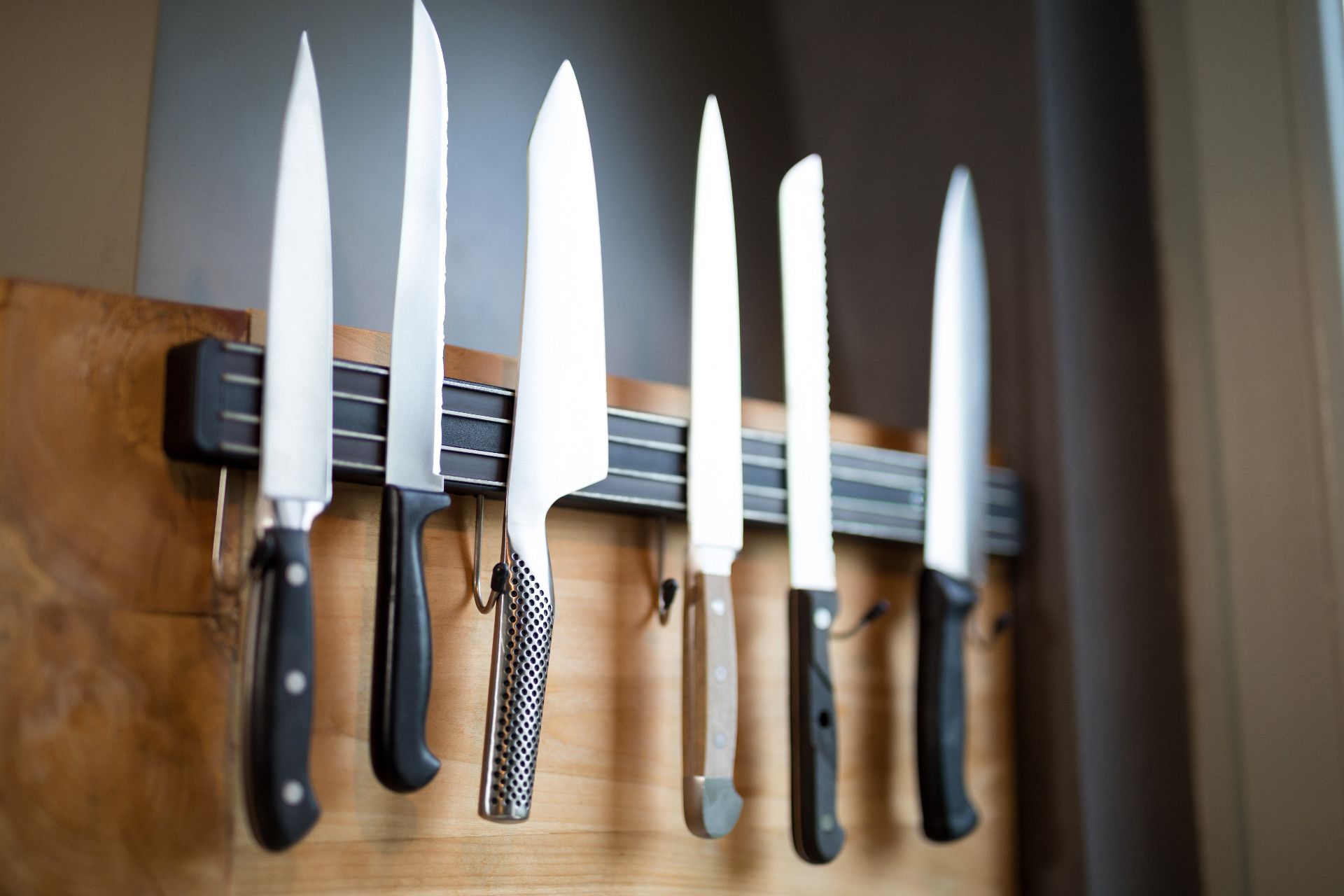
In addition to the core prep tools already mentioned, having a few extra utensils on hand helps keep weekly meal prep efficient and safe. When a personal chef is chopping, portioning, whisking, and moving hot food quickly, these tools reduce interruptions, limit cross-contamination, and help keep the workspace organized. Below are the additional prep tools and utensils we recommend having available.
Knives & Cutting Boards
A single reliable knife and a large cutting board are enough to get started. However, during longer meal prep sessions, having additional knives or cutting boards available can make prep more efficient and reduce downtime between tasks like vegetable prep and portioning proteins. These tools are used constantly, and extra options help keep prep moving without unnecessary interruptions.
Hand Tools
In addition to the basic utensils most kitchens already have, a few extra hand tools can make weekly meal prep noticeably smoother. Tasks like whisking sauces, straining liquids, peeling produce, stirring, and safely handling hot food add up quickly, and having the right tools available helps your personal chef work efficiently while keeping the kitchen organized and clean.
- PrepWorks, 8″, Balloon Whisk
- Martha Stewart, 8.5″, Balloon Whisk
- Fine Mesh Strainer Set, small/medium/large
- Stainless Steel Funnel Set, small/medium/large
- OXO, Y-Peeler
- Mebotem, Manual Can Opener, smooth edge
- Dmikcav, Lemon Squeezer
- Rubbermaid, Heat-Resistant Silicone Spatula / Food Scraper
- Eisinly, 7-piece, Bamboo Cooking Utensil Set
- KSENDALO, Stainless Steel Utensil Holder
- Sur La Table, Stainless Steel Splatter Screen
Food Storage and Meal Prep Containers
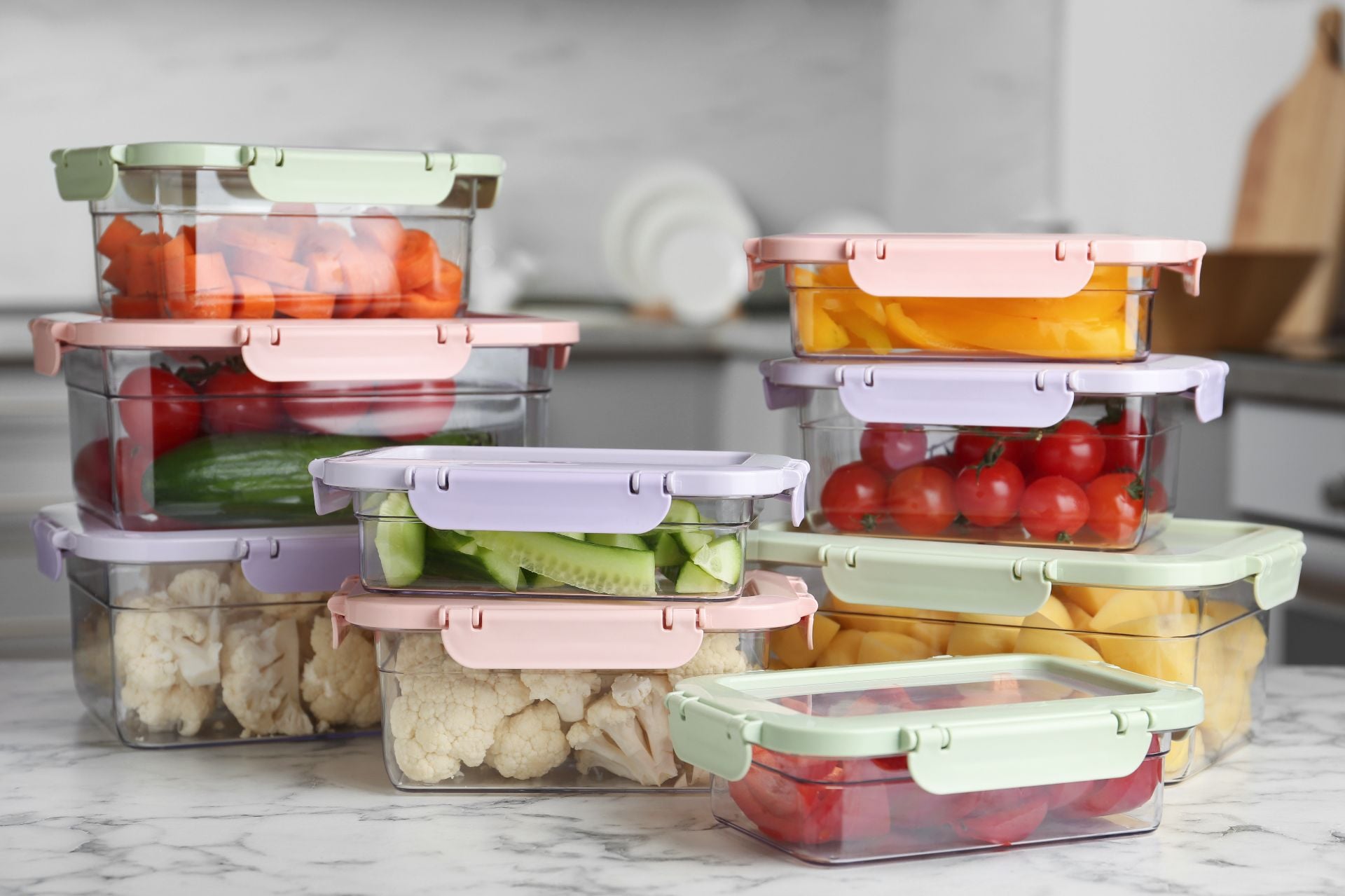
Weekly meal prep requires reliable storage for finished meals, ingredients, and leftovers. Proper containers help keep food fresh, organized, and easy to reheat. These items are essential when a personal chef prepares multiple meals at once.
Glass Containers
Glass containers are ideal for storing prepared meals safely and evenly. They’re durable, easy to clean, and suitable for reheating throughout the week.
- Pyrex, 3-cup, Glass Food Storage Containers
- Snapware, 4-cup, Glass Food Storage Containers, locking lids
- Pyrex, 6-cup, Glass Food Storage Containers
- FOOD BOUTIQUE, 12-cup, Glass Food Storage Container, locking lid
- Ello Duraglass, 3.4-cup, Glass Meal Prep Containers, 3-pack
- Ello Duraglass, 3.4-cup, Glass Meal Prep Containers, 5-pack
- Ello Duraglass, 5-cup, Glass Meal Prep Container, single
- Pyrex, 3-cup, Rectangular Glass Containers, 2-pack
- Pyrex, 3-cup, Rectangular Glass Containers, 4-pack
- Pyrex Simply Store, 6-cup, Rectangular Glass Containers, 4-pack
- Vdomus, 36-oz / 1-L, Glass Containers with Bamboo Lids, 4-pack
Bowls & Lunch Containers
Bowls and lunch containers are useful for ingredient prep, portioning, and grab-and-go meals. They support organization during meal prep and storage afterward.
Replacement Lids
Replacement lids ensure containers remain usable over time. Having extras prevents disruptions during meal prep if lids are lost or damaged.
- Pyrex Easy Grab, 2-qt, Replacement Lid
- Pyrex, 6-cup, Replacement Lids, 2-pack
- Pyrex, 6-cup, Replacement Lids, 4-pack
Cleaning and Sanitation Essentials
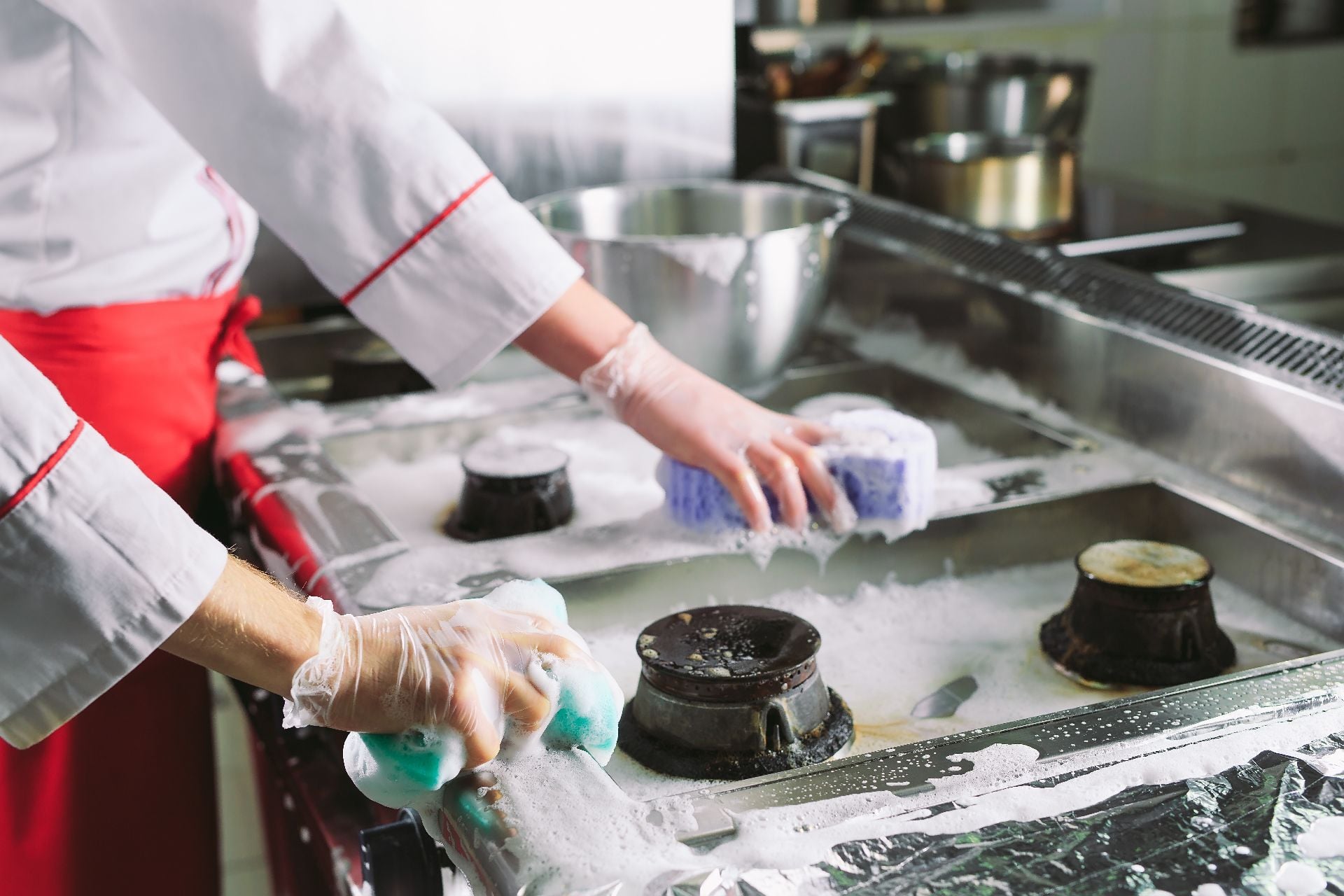
A clean kitchen is critical during weekly meal prep. Cleaning supplies help maintain food safety and keep the workspace organized throughout the cooking process.
What Comes Next After Stocking Your Kitchen
Stocking your kitchen for a private or personal chef doesn’t require a full remodel or a drawer full of trendy gadgets. It just means having the core equipment that supports safe prep, efficient cooking, and organized storage — especially when your chef is preparing a full week of meals at once. When these basics are in place, your chef can focus on what you’re hiring them for: consistent, high-quality meals that fit your preferences and your schedule.
If you’re thinking about working with a personal chef, a simple kitchen checklist like this can be the difference between a smooth meal prep day and a frustrating one. Down to Earth Cuisine is built around making home meal prep easier, cleaner, and more enjoyable with thoughtful ingredients, practical planning, and meals designed to work for real life. If you’re ready to explore personal chef services, the next step is simple: reach out and start the conversation about what you like to eat and how you want your week to feel.


Seattle Organic Meal Delivery
Delicious Meals Delivered To Your Door
Join hundreds of Seattle families enjoying fresh, organic meals every week.