

Blog
How Do You Tip a Private Chef? Industry Norms and Etiquette

If you’ve ever hired a personal or private chef and found yourself unsure about tipping at the end of the evening, you’re not alone. Unlike the standard tipping culture around restaurant dining, tipping private chefs follows no universal script, and most chef services don’t spell it out upfront.
This guide covers what the service industry actually looks like when it comes to gratuity, what factors influence the decision, and how to handle it practically if you do decide to tip.
Is Tipping a Private or Personal Chef Expected?
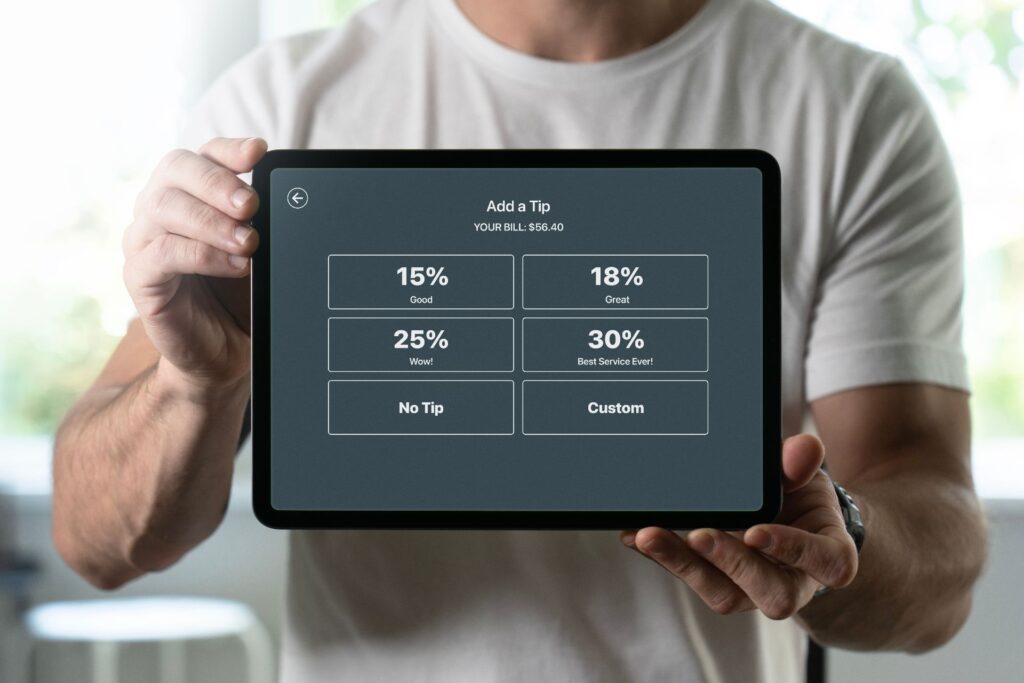
The short answer is no. Unlike restaurant servers, who depend heavily on tips, experienced chefs working as personal or private chefs are paid a flat rate or salary per engagement and do not expect tips.
That said, gratuity is always a welcome gesture and a meaningful way of showing appreciation. If your chef went out of their way to accommodate last-minute requests, stayed later than expected to make sure everything was perfect, or simply delivered an experience that exceeded what you anticipated, expressing that with a tip is a thoughtful and recognized way to do it. It’s entirely optional, and no professional chef will expect it or make you feel uncomfortable for not leaving one.
Think of it less like a restaurant obligation and more like tipping a skilled tradesperson who did exceptional work in your home. When clients do tip, it’s typically in the 10% to 20% range, though the appropriate tip always depends on the nature of the engagement, the complexity of what was asked, and what the private chef experience actually delivered.
One thing worth confirming beforehand: some chef services have a policy on how gratuity is handled, particularly for larger or corporate events. Clear communication about whether to tip the chef directly or route it through the company, either during your consultation or at the end of the event, is always appropriate. Any professional service will be straightforward about it.
When Is a Tip Appropriate, and When Is It a Welcome Bonus?
Not every engagement calls for the same response. The factors that influence whether a tip feels fitting versus simply generous are worth understanding before you find yourself at the end of an evening reaching for your wallet. The table below breaks down the situations in which tipping is a natural acknowledgment of the hard work and effort involved versus those in which it is a genuinely optional, above-and-beyond gesture.
| Tip Is Appropriate | Tip Is a Welcome Bonus |
|---|---|
| You hired an independent chef entrepreneur. Independent chefs set their own rates and run their own businesses, but they carry more financial exposure than chefs employed by a company, making gratuity a more meaningful part of their overall compensation. | Your chef works through a reputable service that pays a set rate. Chefs employed by established personal chef companies are generally compensated fairly per engagement and are not tip-dependent, though a gratuity is always genuinely appreciated. |
| Multiple dietary restrictions were handled simultaneously. Preparing a memorable meal that works for gluten-free, vegan, and kosher guests at the same time requires significantly more planning and execution than a standard menu. | The meal followed a straightforward brief with no special requests. The chef delivered excellent service and a smooth experience exactly as agreed, with nothing unusual asked of them. |
| The chef traveled a significant distance or cooked in a challenging space. A long commute, a vacation rental kitchen that was not a fully equipped kitchen, or a difficult venue add real demands to what the engagement requires. | The chef worked in your home kitchen under normal conditions. Access was easy, equipment was available, and nothing about the location created extra difficulty. |
| Last-minute changes were handled without a hitch. A shift in guest count, a menu adjustment, or a new dietary need that came in late required the chef to adapt quickly and professionally. | Everything was confirmed well in advance and went according to plan. No changes were requested, and the engagement unfolded exactly as discussed during the consultation. |
| The chef went beyond the service provided. Sourcing a specific requested ingredient, adding a personal touch to a course, or staying later than expected to make sure everything was perfect reflects investment beyond the baseline and warrants extra appreciation. | The experience was excellent but within the agreed scope. The chef delivered everything that was promised, and the food quality was exactly what the service is known for. |
| The experience exceeded what you expected. When the evening was better than anticipated, in the food, the presentation, the warmth of the service, or all three, a tip is the clearest signal you can send that you noticed. | The experience met expectations and felt worth every dollar. The service delivered exactly what was promised, and you left satisfied. That is a success in its own right. |
How Tipping Works Across Different Chef Services
If you decide to tip, the approach varies more by service type than by standard tipping rates applied across the board. The key variables are whether the engagement is a one-time event or an ongoing relationship, how much coordination and menu planning the service requires, and whether a single chef or a larger team was involved.
Dedicated Private Chef Services
For a dedicated private chef on a longer engagement, such as a multi-day service covering a week-long trip, a vacation rental, or an extended household arrangement, a tip at the end of the stay is a natural way to close the engagement. The longer and more involved the arrangement, the more a tip functions as a genuine acknowledgment of sustained effort rather than a transaction.
Regular In-Home Meal Prep
For weekly in-home meal prep, tipping norms are less defined because of the personalized nature of the relationship, which is ongoing rather than tied to a single event. Clients who do tip tend to do so periodically rather than after every session, with the holidays being a natural moment for a more meaningful gesture. There is no expectation of weekly tipping.
Specialized and Performance Meal Prep
A chef working with professional athletes or someone following a medically guided nutrition plan is operating in a different lane than standard weekly meal prep. This kind of engagement involves close collaboration with trainers, nutritionists, or healthcare providers, precise attention to macros and recovery nutrition, and a higher degree of technical planning behind every meal. When the results are showing up in performance and recovery, tipping is a particularly fitting way to recognize that level of service and the effort involved.
One-Time Private Dinner
For a private dinner, a tip adjusted based on a percentage of the quoted price is a reasonable framework, similar in structure to how you might think about tipping in a fine dining context. A multi-course dinner for multiple guests involves hours of menu planning, shopping, on-site cooking, plating, and complete cleanup. The more complex the evening, the more a higher tip reflects what the engagement actually demanded of the chef and the exceptional dining experiences they created.
Holiday or Seasonal Cooking
Holiday engagements occupy their own category. A chef hired for Thanksgiving, a Christmas dinner, or a New Year’s Eve gathering is technically a one-time event, but the context is different from a typical private dinner. Peak-season demand is higher and the menus often involve more dietary restrictions than a standard booking. Tipping a private chef for holiday engagements generally sits at or above the higher end of what you would consider for a comparable private dinner.
Event Catering
Event catering usually has a larger team. The main question is whether to tip the lead chef, the team collectively, or both. Clear communication with the service about how gratuity is handled for larger events before the event is entirely reasonable and takes the guesswork out of it.
Chef-Prepared Meal Delivery
Chef-prepared meal delivery is worth distinguishing from app-based services. The meals were planned, shopped for, and cooked from scratch by experienced chefs, then portioned, labeled, and delivered on a scheduled basis. The work happened well before anything arrived at your door. For recurring delivery clients, a periodic tip or a more meaningful end-of-year gesture is a recognized way of showing appreciation for the service provided.
How to Actually Give the Tip

Once you’ve decided to tip, the logistics are straightforward. The two most practical options are cash tips and digital payments, and either works well depending on the nature of the engagement.
- Cash is the simplest method. It goes directly to the chef without tips being processed through a platform or deducted from credit card receipts, and handing it to them in person at the end of the evening is the most natural way to do it.
- Digital payments like Venmo or Zelle work well for recurring engagements where you have already exchanged contact information with your chef. If you are unsure whether your chef prefers cash or digital, it is fine to ask.
When Tipping Doesn’t Apply
Tipping is not always the right gesture, and there are situations where a different form of recognition is more appropriate or where gratuity is already accounted for. If you are ever unsure, asking is always the right move. A simple “Is gratuity included in the quoted price, or is there a preferred way to handle that?” removes any ambiguity on either side.
- Corporate bookings often have different norms at the organizational level. Gratuity may already be factored into the overall fee, so it is worth confirming before adding anything separately.
- Long-term private chef arrangements with negotiated rates are typically structured to reflect the depth and exclusivity of the engagement. Treating your chef as a true business partner in these arrangements often means that a year-end bonus or a meaningful gift is more in line with the nature of the relationship than a per-service tip.
- Packages or events that include gratuity handle the acknowledgment upfront. Your service agreement or consultation should make this clear, but it is always worth a quick check.
The Bottom Line on Private Chef Tipping
Tipping a private or personal chef is not expected or required. It is a gesture that means something when the experience genuinely warrants it. When clients do tip, 10% to 20% of the overall fee is a reasonable reference point for event-based services, though the appropriate tip varies depending on the type of engagement and the level of service delivered.
At Down to Earth Cuisine, our chefs are compensated well for what they do. Gratuity is never required, but clients who want to show their appreciation are welcome to. The chefs are compensated well for what they do, and the service is designed to stand on its own. That said, clients who want to recognize exceptional service or a truly memorable dining experience are always welcome to do so. If you are curious about what a personal chef engagement actually involves, schedule a free consultation, and we will be happy to walk you through it.



Seattle Organic Meal Delivery
Delicious Meals Delivered To Your Door
Join hundreds of Seattle families enjoying fresh, organic meals every week.